
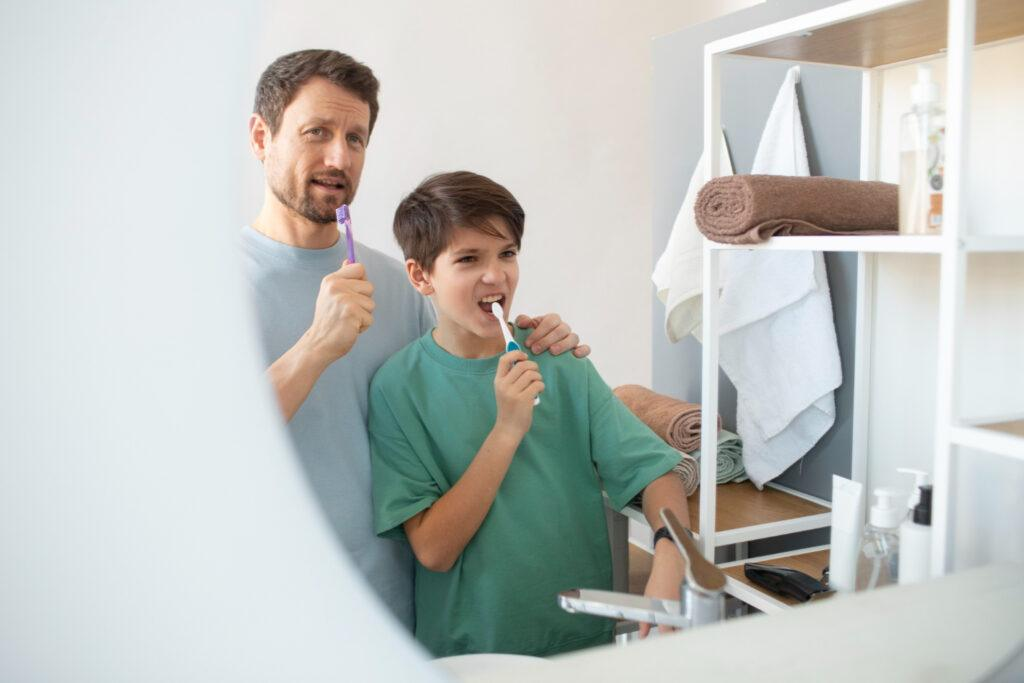
How to Maintain Oral Hygiene at Home (A Complete Easy Guide)
Taking care of your teeth is not just about having a bright smile. It is about your overall health, confidence, and daily comfort. Many people think oral hygiene only means brushing teeth, but in reality, it includes several daily habits that protect your mouth from bacteria, cavities, gum disease, and bad breath.
In this detailed guide, we will explain how to maintain oral hygiene at home in a very simple and practical way. This article is written in an easy human style so everyone can understand and follow it in daily life. You will also find useful tips, routines, and answers to common questions at the end.
Let’s begin.
Why Oral Hygiene Is So Important
Your mouth is the entry point to your body. Every day, you eat, drink, and speak using your mouth. If you do not take care of it, harmful bacteria can grow quickly. These bacteria can cause:
- Tooth decay (cavities)
- Gum infections
- Bad breath
- Tooth loss in severe cases
Good oral hygiene not only keeps your teeth strong but also protects your heart and digestion. Studies show that poor oral health can even affect overall body health.
So, maintaining oral hygiene is not optional—it is necessary.
1. Brush Your Teeth the Right Way
Brushing is the foundation of oral care. But many people do it incorrectly.
Here is the correct method:
- Brush twice a day
- Use a soft toothbrush
- Apply fluoride toothpaste
- Brush for at least 2 minutes
- Clean all surfaces: front, back, and chewing areas
Important tip:
Do not brush too hard. Hard brushing can damage gums and make teeth sensitive.
Also, don’t forget your tongue. Cleaning your tongue removes bacteria that cause bad breath.
2. Flossing: The Hidden Secret of Clean Teeth
Brushing alone is not enough. Food particles often get stuck between teeth where a toothbrush cannot reach. This is where flossing helps.
How to floss:
- Take a small piece of floss
- Gently slide it between teeth
- Move it up and down carefully
- Do not force it into gums
Flossing once a day helps prevent cavities and gum disease. It keeps your mouth truly clean.
3. Use Mouthwash for Extra Protection
Mouthwash is not a replacement for brushing or flossing, but it is a powerful extra step.
Benefits of mouthwash:
- Kills bacteria
- Freshens breath
- Helps prevent gum disease
Use it after brushing or at a different time of the day. Swish it in your mouth for 30–60 seconds.
4. Clean Your Tongue Daily
Most people ignore their tongue, but it collects a lot of bacteria. This can cause bad breath and reduce taste quality.
You can clean your tongue by:
- Using a toothbrush gently
- Or using a tongue scraper
Do this once a day, preferably in the morning.
5. Eat a Tooth-Friendly Diet
What you eat affects your teeth more than you think.
Foods that help:
- Fresh fruits (apple, banana)
- Vegetables (carrot, cucumber)
- Dairy products (milk, yogurt)
- Nuts
Foods to avoid:
- Sugary snacks
- Soft drinks
- Sticky candies
Sugar feeds bacteria in your mouth, which leads to cavities. Try to reduce sugar as much as possible.
6. Drink Plenty of Water
Water is one of the simplest ways to keep your mouth clean. It washes away food particles and keeps saliva production healthy.
Saliva is important because it naturally protects your teeth from bacteria.
Try to drink water after every meal.
7. Avoid Harmful Habits
Some habits damage your teeth without you realizing it:
- Smoking or tobacco use
- Nail biting
- Chewing ice or hard objects
- Using teeth to open bottles or packets
These habits can crack teeth or cause long-term damage.
8. Maintain a Daily Routine
A strong oral hygiene routine is the key to healthy teeth.
Simple daily plan:
Morning:
- Brush teeth
- Clean tongue
- Drink water
After meals:
- Rinse mouth with water
Night:
- Brush teeth
- Floss
- Optional: mouthwash
Consistency is more important than perfection.
9. Regular Dental Checkups
Even if your teeth look healthy, visiting a dentist is important. Dentists can detect early problems that you cannot see.
Try to visit a dentist every 6 months for a checkup and cleaning.
10. Oral Hygiene and Online Awareness
Today, many websites share health tips, but not all are reliable. Platforms like glaadvoice com often focus on lifestyle and health-related awareness content, helping readers understand simple daily care routines like oral hygiene.
Reading trusted sources can improve your knowledge and help you make better health decisions.
Frequently Asked Questions (FAQs)
1. How many times should I brush my teeth daily?
You should brush your teeth two times a day, once in the morning and once before bed.
2. Is flossing really necessary every day?
Yes, flossing is very important because it removes food particles between teeth that brushing cannot reach.
3. Can mouthwash replace brushing?
No, mouthwash cannot replace brushing. It is only an extra step for better oral hygiene.
4. Why do I still get bad breath even after brushing?
Bad breath can happen due to bacteria on the tongue, gum issues, or not flossing properly. Cleaning your tongue and flossing can help.
5. How often should I visit a dentist?
It is recommended to visit a dentist every 6 months for checkups and professional cleaning.
Final Thoughts
Maintaining oral hygiene at home is not complicated. It only requires discipline and a few simple daily habits. If you brush properly, floss regularly, eat healthy food, and avoid harmful habits, your teeth will stay strong for years.
Remember, a healthy smile builds confidence and reflects your overall health. Start small, stay consistent, and you will see long-term benefits.
- Emotional Intelligence Activities for Kids: A Complete Guide for Parents and Teachers
- Practical Business Improvement Ideas for Entrepreneurs: A Complete Guide to Sustainable Growth
- Mental Health Improvement Techniques
- Customer Retention Strategies for Small Businesses: A Complete Guide to Building Long-Term Customer Loyalty
- Elderly Care and Companionship Services