
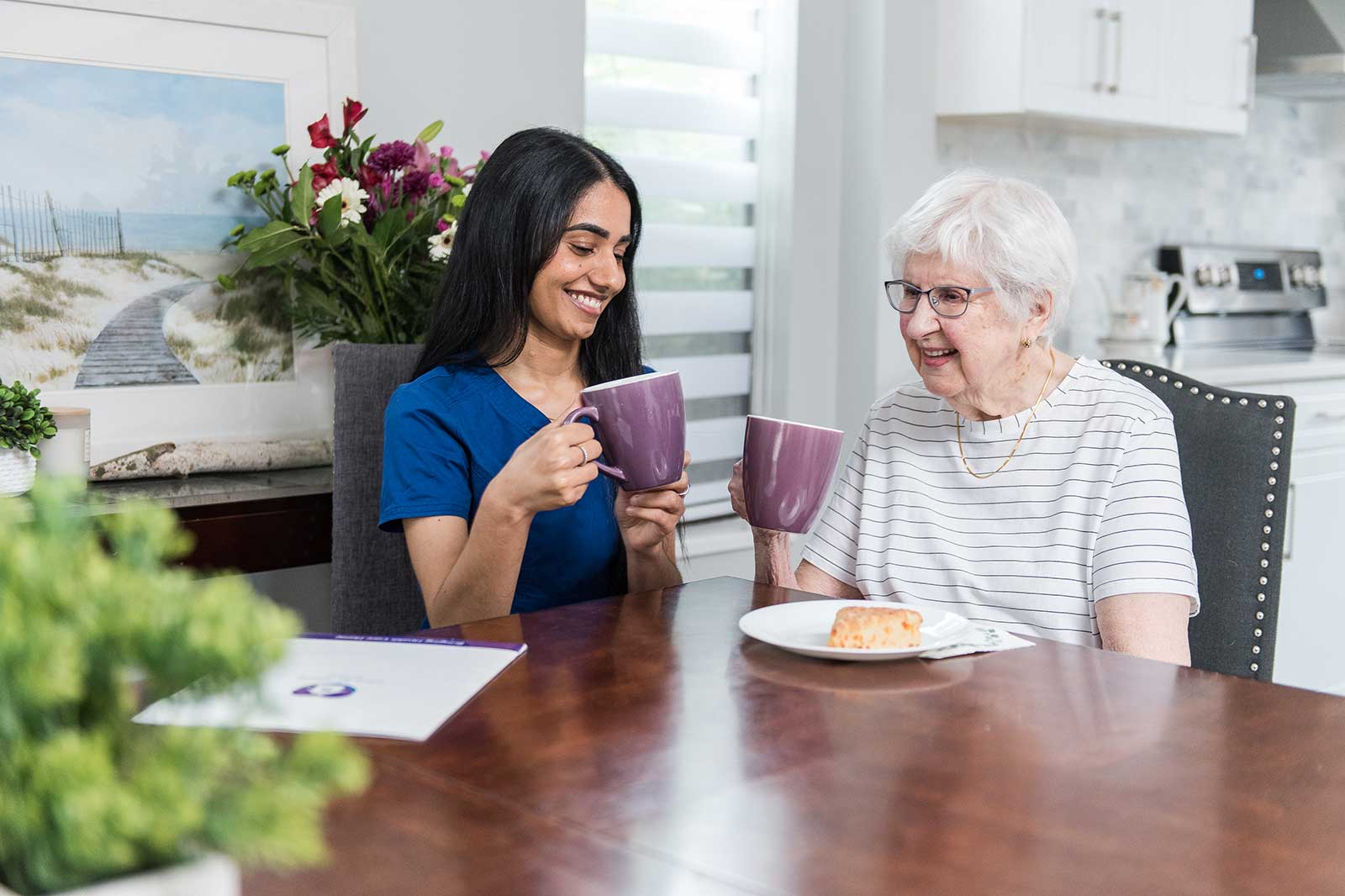
Elderly Care and Companionship Services
Elderly care and companionship services are becoming increasingly important because many senior citizens today require emotional support, personal assistance, and healthcare guidance while continuing to live comfortably and safely. Aging often brings physical challenges, reduced mobility, chronic health conditions, memory problems, and emotional loneliness that can affect overall quality of life. Many families are unable to provide full-time care because of busy schedules and work responsibilities, which has increased the demand for professional elderly care solutions. Modern companionship services not only focus on medical or physical assistance but also help seniors stay emotionally connected, socially active, and mentally engaged. This detailed guide by voozon.com explains the importance of elderly care and companionship services, the different types of support available, their benefits, and how these services help improve the lives of senior citizens and their families.
What Are Elderly Care and Companionship Services?
Elderly care and companionship services provide personal, emotional, and practical support for older adults either at home or in assisted living environments.
These services are designed to help seniors maintain independence, comfort, and emotional well-being.
Common Elderly Care Services Include
- Personal care assistance
- Medication reminders
- Meal preparation
- Mobility support
- Transportation assistance
- Emotional companionship
- Light housekeeping
Companionship services focus especially on reducing loneliness and improving emotional wellness.
Why Elderly Care Is Important
As people age, daily tasks often become more difficult because of physical weakness, chronic illnesses, or mobility limitations.
Common Challenges Faced by Seniors
- Difficulty walking
- Reduced strength
- Memory issues
- Social isolation
- Chronic medical conditions
- Recovery after surgery
Professional care helps elderly individuals remain safer, healthier, and more comfortable.
Importance of Companionship for Seniors
Many older adults experience loneliness, especially if they live alone or have limited social interaction.
Loneliness may negatively affect both mental and physical health.
Benefits of Senior Companionship
- Emotional support
- Reduced loneliness
- Better confidence
- Improved mental wellness
- Increased social interaction
Friendly conversations and shared activities often help seniors feel happier and emotionally supported.
Types of Elderly Care Services
Different seniors require different levels of support depending on their health conditions and daily needs.
Personal Care Assistance
Personal caregivers help seniors with daily living activities.
Personal Care Services Include
- Bathing assistance
- Dressing support
- Grooming help
- Feeding assistance
- Mobility support
These services help elderly individuals maintain dignity and hygiene safely.
Companion Care Services
Companion care mainly focuses on emotional support and social interaction.
Companion Activities May Include
- Friendly conversations
- Reading books together
- Playing games
- Walking outdoors
- Attending appointments
Companion caregivers help seniors stay mentally active and socially engaged.
Skilled Nursing Care
Some elderly individuals require professional medical support at home.
Skilled Nursing Services Include
- Blood pressure monitoring
- Medication administration
- Wound care
- Diabetes management
- Injection services
These services are usually provided by trained nurses or healthcare professionals.
Dementia and Alzheimer’s Care
Patients with dementia often require specialized supervision and support.
Dementia Care Services Include
- Memory support
- Medication reminders
- Safety monitoring
- Routine assistance
- Emotional reassurance
Familiar home environments often help dementia patients feel calmer and safer.
Live-In Elderly Care
Some seniors require continuous support throughout the day and night.
Benefits of Live-In Care
- 24-hour assistance
- Constant companionship
- Emergency support
- Personalized attention
Live-in caregivers often help seniors remain at home instead of moving to nursing facilities.
Benefits of Elderly Care and Companionship Services
Professional elderly care provides emotional, physical, and practical benefits for both seniors and families.
Emotional Benefits
Companionship care helps reduce feelings of isolation and sadness.
Emotional Benefits Include
- Better mood
- Reduced anxiety
- Increased confidence
- Emotional comfort
Seniors often feel happier when they receive regular social interaction and emotional support.
Physical Health Benefits
Caregivers help seniors maintain healthier daily routines.
Physical Health Support Includes
- Medication reminders
- Healthy meal preparation
- Exercise encouragement
- Mobility assistance
Regular support may reduce health complications and improve wellness.
Improved Safety for Seniors
Many seniors face risks related to falls or medical emergencies.
Caregivers Improve Safety By
- Assisting with movement
- Monitoring health changes
- Helping prevent accidents
- Providing emergency support
Safe environments and supervision help seniors remain independent longer.
Better Quality of Life
Elderly care services help seniors enjoy daily life more comfortably and confidently.
Activities That Improve Quality of Life
- Hobbies and crafts
- Outdoor walks
- Social visits
- Family communication
Engaging activities improve emotional wellness and mental stimulation.
Benefits for Family Members
Elderly care services also support family caregivers.
Family Benefits Include
- Reduced stress
- Greater peace of mind
- Better work-life balance
- Professional healthcare support
Families often feel reassured knowing loved ones are receiving proper care.
Home-Based Elderly Care vs Nursing Homes
Many families now prefer home-based elderly care because seniors often feel more comfortable in familiar surroundings.
Benefits of Home Care
- Personalized attention
- Emotional comfort
- Familiar environment
- Flexible care schedules
Home care often allows seniors to maintain independence longer.
Nursing Home Benefits
Nursing facilities may be more suitable for seniors who require:
- Intensive medical supervision
- Specialized rehabilitation
- Full-time nursing care
The best option depends on the patient’s medical condition and personal needs.
Importance of Social Interaction for Seniors
Social engagement plays a major role in healthy aging.
Social Activities May Include
- Community events
- Religious gatherings
- Group activities
- Family visits
Regular social interaction helps improve emotional and mental health.
Technology in Elderly Care Services
Technology is rapidly improving modern elderly care.
Modern Technologies Include
- Telemedicine services
- Video communication apps
- Medication reminder systems
- Smart wearable health devices
These tools help caregivers and families monitor elderly health more effectively.
How to Choose the Right Elderly Care Service
Selecting the right care provider is extremely important for patient safety and comfort.
Check Qualifications and Experience
Families should review:
- Caregiver training
- Certifications
- Experience with elderly care
- Emergency response skills
Qualified caregivers usually provide safer and more reliable support.
Evaluate Communication Skills
Good caregivers should be:
- Compassionate
- Respectful
- Patient
- Good listeners
Positive communication improves emotional comfort for seniors.
Review Care Plans and Flexibility
Different seniors need different levels of care.
Care Options May Include
- Hourly visits
- Daily support
- Overnight care
- 24-hour live-in care
Flexible services help families choose support based on individual needs.
Importance of Home Safety for Seniors
Homes should be adjusted to improve elderly safety.
Helpful Safety Improvements Include
- Bathroom handrails
- Non-slip flooring
- Better lighting
- Clear walking spaces
Safe environments help reduce injuries and fall risks.
Challenges in Elderly Care
Although elderly care services offer many advantages, some challenges may still exist.
Common Challenges Include
- Financial costs
- Finding trained caregivers
- Emotional stress for families
- Caregiver shortages
Careful planning helps families manage these challenges more effectively.
Importance of Compassionate Care
Compassion is one of the most important parts of elderly care.
Compassionate Care Includes
- Patience
- Respect
- Emotional understanding
- Friendly communication
Kind caregivers help seniors feel valued, respected, and emotionally secure.
Future of Elderly Care and Companionship Services
The demand for elderly care services continues increasing worldwide because populations are aging rapidly.
Future Trends Include
- AI-based health monitoring
- Smart home healthcare systems
- Virtual companionship tools
- Personalized healthcare plans
Technology and healthcare improvements are making elderly support more advanced and accessible.
Healthy Habits for Seniors
Caregivers often encourage healthy daily routines for older adults.
Helpful Senior Wellness Habits Include
- Drinking enough water
- Eating balanced meals
- Staying physically active
- Maintaining social connections
Healthy habits improve physical and emotional wellness for seniors.
FAQs
1. What are elderly care and companionship services?
These services provide emotional support, personal care, healthcare assistance, and companionship for senior citizens.
2. Why is companionship important for elderly people?
Companionship helps reduce loneliness, improve emotional wellness, and increase social interaction.
3. What services do elderly caregivers provide?
Caregivers may assist with bathing, dressing, meal preparation, medication reminders, mobility support, and companionship.
4. Is home-based elderly care better than nursing homes?
Many seniors feel more comfortable at home, but the best option depends on medical needs and personal preferences.
5. Can elderly companionship improve mental health?
Yes, regular social interaction and emotional support may improve mood, confidence, and emotional well-being.
Conclusion
Elderly care and companionship services provide important emotional, personal, and healthcare support for senior citizens. These services help older adults remain safer, healthier, emotionally connected, and more independent while improving their overall quality of life.
Companion caregivers reduce loneliness and encourage social interaction, while professional caregivers assist with personal care, mobility, medication management, and emotional support. Families also benefit from reduced stress and greater peace of mind knowing their loved ones are receiving compassionate and professional care.
This detailed guide by voozon.com highlights how elderly care and companionship services are helping seniors live healthier, happier, safer, and more comfortable lives.
- Emotional Intelligence Activities for Kids: A Complete Guide for Parents and Teachers
- Practical Business Improvement Ideas for Entrepreneurs: A Complete Guide to Sustainable Growth
- Mental Health Improvement Techniques
- Customer Retention Strategies for Small Businesses: A Complete Guide to Building Long-Term Customer Loyalty
- Elderly Care and Companionship Services